
Best AI Courses for Students
Starting your AI education as a student puts you at a tremendous advantage. Whether you are an undergraduate exploring career options, a graduate student looking to specialize, or a self-taught learner building skills on your own schedule, the AI courses available today are better than ever. Many of the best courses are completely free and taught by world-class instructors from Stanford, MIT, Harvard, and Google. You do not need to wait for a formal degree program to start learning. These courses cover everything from the foundations of machine learning and neural networks to practical applications like building chatbots, training image classifiers, and working with large language models. Start with the beginner courses below to build a solid foundation, then branch out into the topics that excite you most.
Key AI Skills for Students
- Understand foundational AI and ML concepts
- Write Python code for data analysis and model building
- Build and train neural networks from scratch
- Work with popular ML frameworks and tools
- Complete projects suitable for a portfolio or resume
- Prepare for AI-related internships and entry-level roles
How to Start Learning AI as a Student
Begin with a broad introduction like CS50 AI, Elements of AI, or Google ML Crash Course to explore the field and find what interests you.
Pick a hands-on course like fast.ai Practical Deep Learning to start building real models and gain practical experience.
Build 2-3 portfolio projects and participate in Kaggle competitions to demonstrate your skills to future employers or graduate programs.
Recommended Courses for Students
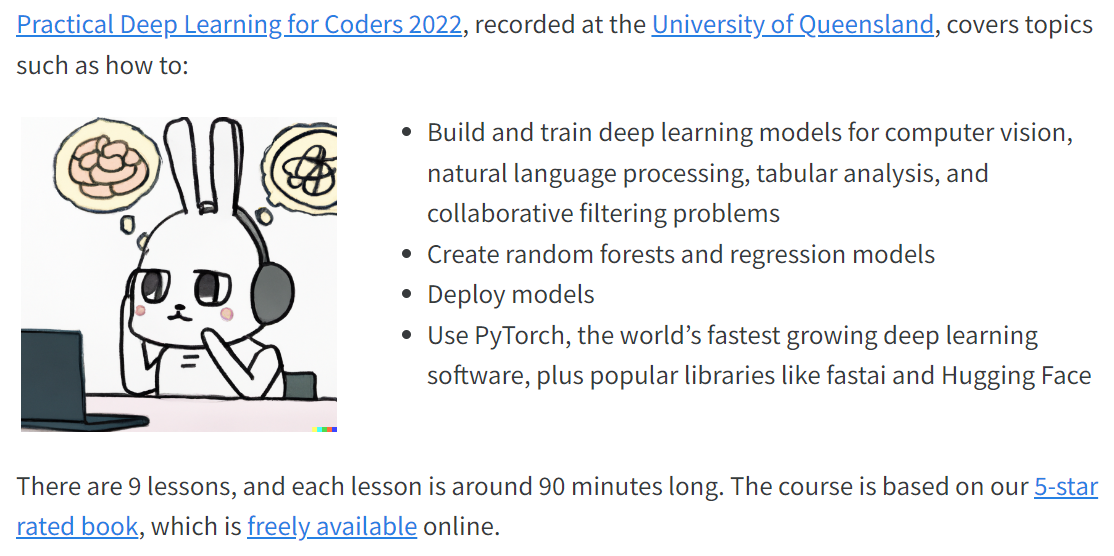
Practical Deep Learning for Coders
fast.ai

Introduction to Deep Learning
MIT
Machine Learning Crash Course
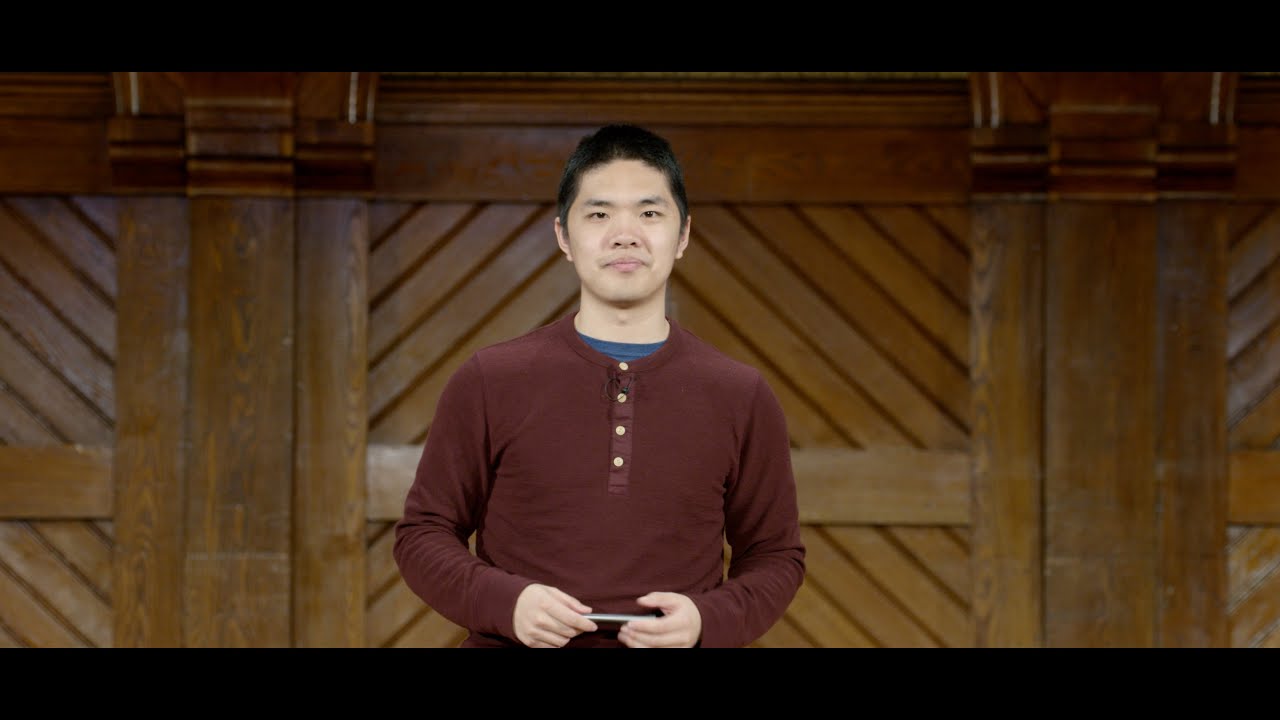
CS50's Introduction to Artificial Intelligence with Python
Harvard / edX

Intro to Machine Learning
Kaggle
Intro to Deep Learning
Kaggle
Intro to Machine Learning with PyTorch
Udacity
ChatGPT Prompt Engineering for Developers
DeepLearning.AI
Machine Learning Specialization
Coursera

Azure AI Fundamentals
Microsoft Learn

Elements of AI
University of Helsinki

AI For Everyone
Coursera

Google Data Analytics Professional Certificate
Coursera

IBM Applied AI Professional Certificate
Coursera

AI Foundations for Everyone Specialization
Coursera

Mathematics for Machine Learning and Data Science Specialization
Coursera

Python Basics for Data Science
edX
Deep Learning Fundamentals with Keras
edX

Machine Learning A-Z: AI, Python & R
Udemy

Python for Data Science and Machine Learning Bootcamp
Udemy

Stable Diffusion: Complete Guide to AI Image Generation
Udemy
The Complete ChatGPT Guide: Learn Midjourney, ChatGPT & More
Udemy

Complete Machine Learning & Data Science Bootcamp 2024
Udemy
Pair Programming with a Large Language Model
DeepLearning.AI

Introduction to Generative AI Learning Path
Google Cloud
Intro to TensorFlow for Deep Learning
Google Data Analytics Certificate
Google AI Essentials
Google's Python Class
Pandas
Kaggle
Data Visualization
Kaggle
Intro to AI Ethics
Kaggle
Machine Learning for Beginners
Microsoft
AI for Beginners
Microsoft
Generative AI for Beginners
Microsoft
IBM AI Developer Professional Certificate
Coursera

Machine Learning with Python
Coursera

Introduction to Deep Learning & Neural Networks with Keras
Coursera

AI Programming with Python Nanodegree
Udacity

Supervised Learning with scikit-learn
DataCamp
Data Scientist with Python Career Track
DataCamp
Working with the OpenAI API
DataCamp

Artificial Intelligence Foundations: Machine Learning
LinkedIn Learning
Machine Learning with Python: Foundations
LinkedIn Learning
Introduction to Generative AI
LinkedIn Learning
Deep Learning: Getting Started
LinkedIn Learning

Prompt Engineering Specialization
Coursera
Open Source Models with Hugging Face
DeepLearning.AI
Google Cloud: Introduction to AI and Machine Learning
edX
Intro to SQL
Kaggle
Prompt Engineering: How to Talk to the AIs
LinkedIn Learning
Python for Data Analysis with Pandas
LinkedIn Learning
Ethics in the Age of Generative AI
LinkedIn Learning

IBM Data Science Professional Certificate
Coursera

Generative AI: Introduction and Applications
Coursera

Generative AI: Prompt Engineering Basics
Coursera
Generative AI Concepts
DataCamp

Responsible AI Principles and Practices
Microsoft Learn
Microsoft Copilot Foundations
Microsoft Learn
How Google Does Machine Learning
Coursera

Introduction to TensorFlow for AI, ML, and DL
Coursera

The Data Science Course: Complete Data Science Bootcamp
Udemy
Data Science Essentials
edX
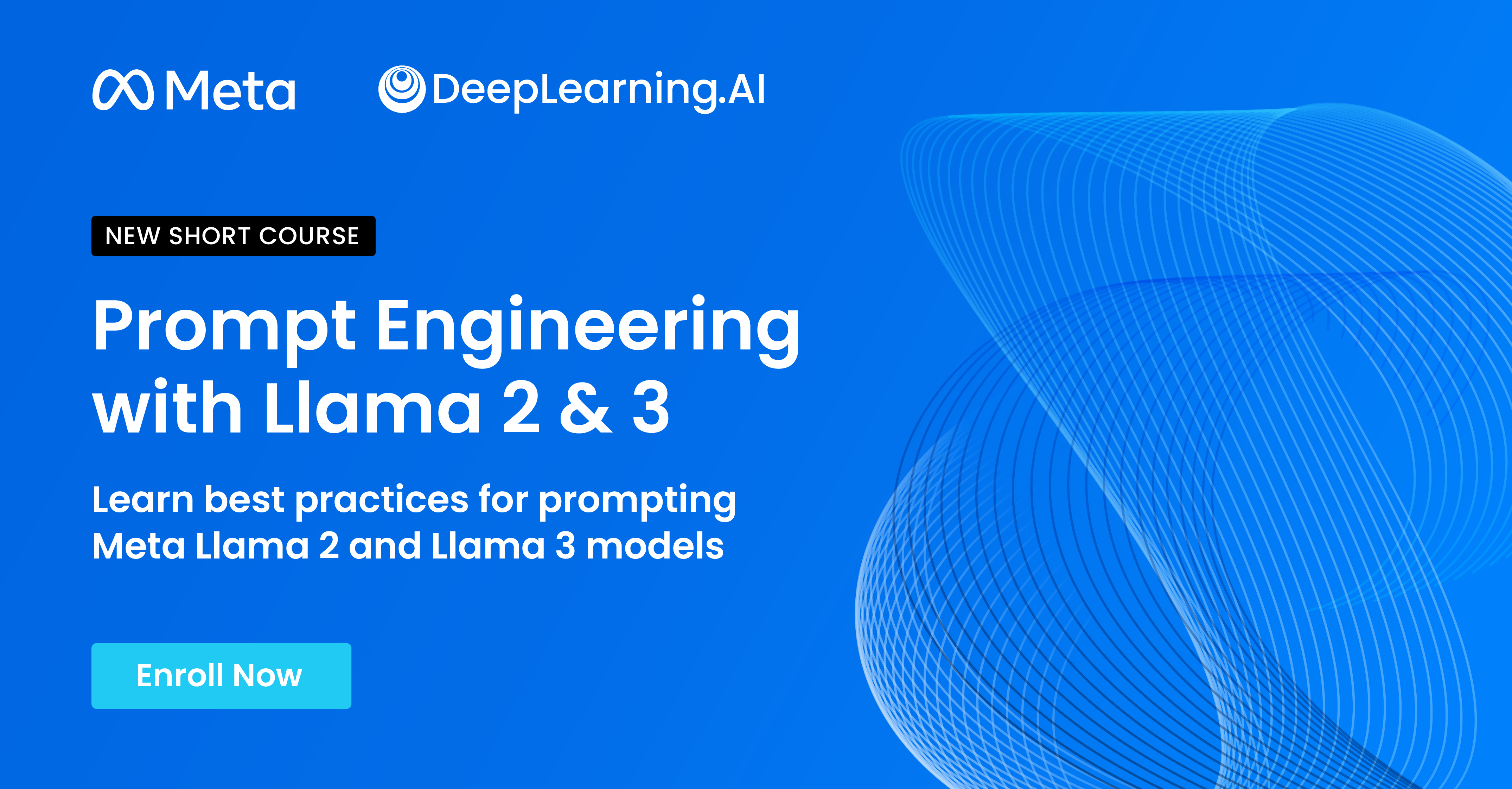
Prompt Engineering with Llama 2 & 3
DeepLearning.AI
Artificial Intelligence for Business Leaders
LinkedIn Learning
OpenCV Python For Beginners
Udemy
Responsible AI: Applying AI Principles with Google Cloud
Google Cloud

AI Product Management Specialization
Coursera
Carbon Aware Computing for GenAI Developers
DeepLearning.AI
Introduction to Generative AI Studio
Google Cloud
OpenAI Python API Bootcamp: Build AI Apps Fast
Udemy
Understanding and Applying Text Embeddings
DeepLearning.AI

Ethics of AI
University of Helsinki
Data Cleaning
Kaggle
Intro to Programming
Kaggle

Azure OpenAI Service Fundamentals
Microsoft Learn
TensorFlow: Essential Training
LinkedIn Learning
Introduction to Statistics in Python
DataCamp
Building AI Applications with Watson APIs
Coursera
AI Ethics
Coursera
Introduction to Gemini API
Google Cloud
AWS Machine Learning Foundations
Udacity
AI Fluency: Framework & Foundations
Anthropic
Anthropic's Prompt Engineering Interactive Tutorial
Anthropic
LLM University (LLMU)
Cohere
Artificial Intelligence Fundamentals
IBM SkillsBuild
AI Foundations (OpenAI Academy)
OpenAI
Frequently Asked Questions
Can I learn AI without a computer science degree?
Absolutely. Many successful AI practitioners are self-taught or come from other fields. The courses listed here assume no prior AI knowledge and will guide you step by step.
Are free courses as good as paid ones?
Many of the best AI courses are free, including offerings from Stanford, MIT, Google, and fast.ai. Paid courses sometimes offer certificates and more structured support, but free courses often have equally strong content.
What should I learn first: Python or AI?
Learn basic Python first if you have no programming experience. Many beginner AI courses include a Python primer, but having basic coding comfort will help you focus on the AI concepts.
How do I build an AI portfolio as a student?
Complete course projects, participate in Kaggle competitions, contribute to open-source projects, and write about what you learn. A GitHub repository with well-documented projects is the best portfolio you can build.